



MEPCO Unit Calculation Explained — Slabs, Meter Reading & Extra Charges
Electricity bills are one of the most common concerns for households across Pakistan, especially for residents served by MEPCO. Many people feel confused when they see a high bill and assume there is an error. It is common to think that the meter is running too fast or that units are overcharged.
The truth is, MEPCO’s unit calculation system is logical and transparent once you understand how it works. From meter readings to slab-wise charges and additional fees, every component has a purpose. This guide will simplify the entire process and show you how to verify your bill easily.
What is 1 Unit of Electricity?
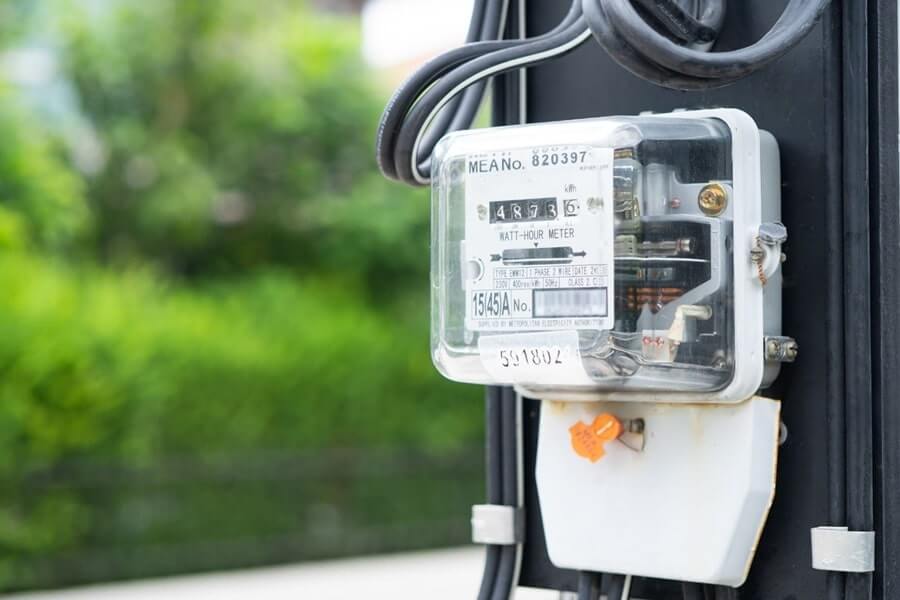
Before figuring out your bill, it is necessary to find out what a “unit” of electricity really is. One unit is equivalent to 1 kilowatt-hour (kWh); therefore, a machine that consumes 1 kilowatt for 1 hour uses 1 unit.
Common Household Examples:
- 60-watt bulb → 0.06 units per hour
- Ceiling fan →1 unit for 10-12 hours
- Refrigerator → two units per day
- 1.5-ton AC → 1.2–1.6 units per hour
Understanding unit consumption allows you to calculate your monthly consumption and predict your bill before it is sent. Make sure that you always compare your meter reading with the consumption that you have to check the meter’s accuracy.
How MEPCO Records Meter Readings
MEPCO figures out your electricity usage every month based on meter readings from each household. These readings determine your monthly bill and are how you are charged for the energy you use. To obtain accurate consumption data, staff perform manual meter readings, while smart meters provide automatic readings.
Step-by-Step Process:
- Previous reading is recorded from the last month
- Current reading is taken either manually or via a smart meter
- Units consumed = Current Reading – Previous Reading
Manual vs Smart Meters:
- Manual meters are read physically by staff
- Smart meters automatically log consumption and reduce errors
Common Mistakes:
- Wrong meter reading due to human error
- Estimated bills when readings are delayed
- Unclear or damaged meter dials
Example:
| Previous Reading | Current Reading | Units Consumed |
| 12,890 | 13,190 | 300 |
Note: Always check your meter reading before paying the bill to ensure accuracy.
MEPCO’s Unit Calculation Formula
Once your units are recorded, MEPCO calculates your bill by applying slab-wise rates to each unit consumed. This ensures that each unit is charged accurately according to consumption. The following table shows how a household consuming 220 units would be billed.
Example Calculation Table:
| Units Consumed | Slab Rate (Rs/unit) | Units in Slab | Amount (Rs) |
| 0–50 | 7.5 | 50 | 375 |
| 51–100 | 10 | 50 | 500 |
| 101–200 | 15 | 100 | 15,00 |
| 201–220 | 20 | 20 | 400 |
Total = 2,775 Rs
You can also verify your bill online via MEPCO Online Bill to ensure accuracy before paying.
Understanding MEPCO’s Slab System
MEPCO imposes a slab system for residential consumers where electricity rates go up with increased consumption. There is a rate per unit for each slab, and your bill is calculated based on the number of units in each slab. Thus, the heavier your consumption, the more you will be charged at progressively higher rates.
Slab Rates Example:
- 0–50 units → 7.5 Rs/unit
- 51–100 units → 10 Rs/unit
- 101–200 units → 15 Rs/unit
- 201–300 units → 20 Rs/unit
- Above 300 units → 25 Rs/unit
Why Slabs Affect Your Bill:
- Bills are cumulative, not flat
- A slight increase in units can push you into a higher slab
This explains why bills suddenly rise even with a slight increase in consumption.
Additional Charges That Affect Your Final Cost
Your monthly electricity bill is not merely the straightforward calculation of units consumed multiplied by the slab rate. MEPCO has several additional charges that are compulsory for all consumers. These charges depend on your consumption and other factors, and it is very important to understand them to be able to know the full breakdown of your monthly bill.
- FPA (Fuel Price Adjustment): Is a monthly variable that depends on the cost of generation
- Electricity Duty: Local tax per unit
- GST (General Sales Tax): Is a percentage of the total amount of the bill
- TV Fee: Fixed monthly fee
- Fixed/Minimum Charges are there even if no units are consumed
These are the most unexpected charges for the consumers. They should constantly review their bills to see the full breakdown.
How TOU (Time-of-Use) and Commercial Billing Works
For commercial and industrial users, MEPCO uses a Time-of-Use (TOU) billing system, which differs from residential billing.
TOU Features:
- Peak hours → higher rates
- Off-peak hours → lower rates
- No slab system
- Commercial users need careful monitoring to reduce peak-hour costs
This helps companies to be charged based on the exact time when they use electricity, thus allowing them to make the best use of it and keep their expenses under control.
Practical Tips to Reduce Monthly Units
You can reduce your electricity bill by following some simple practices:
- Keep the air conditioner temperature at 26–27°C
- Do not use heavy-power appliances during peak hours
- Use LED lights for energy saving
- Repair the refrigerator seals to avoid leakage
- Remove phantom loads (devices in standby mode)
- Think about solar panels if you want to save money in the future and experience the benefits of net metering in Pakistan
Minor changes in daily consumption can greatly impact your monthly bill.
Conclusion
Understanding how MEPCO calculates electricity units can remove much of the confusion that consumers often face. If you know how meter readings, slab rates, and additional charges work together, it becomes clear to you why your bill is a certain amount each month.
Such a person is in a position to control electricity consumption, reduce costs, and avoid any unexpected charges. Always make sure your meter reading matches your bill, and use online resources for verification.
By being on the front foot, you can manage your electricity consumption, bring down the costs, and save from any surprise charges.
