



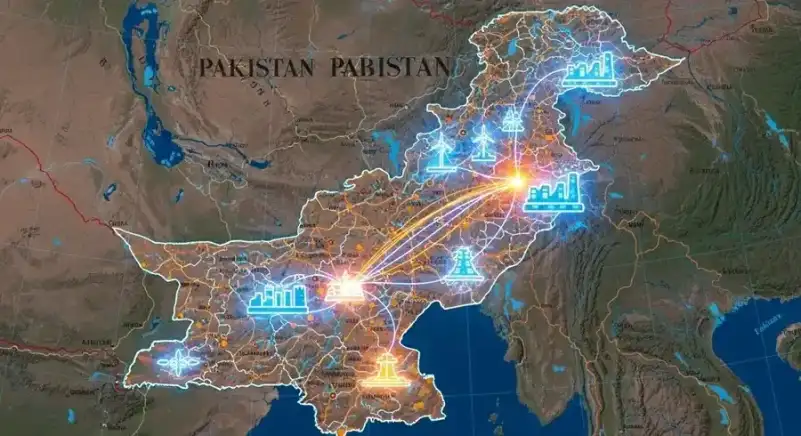
The China-Pakistan Economic Corridor (CPEC) continues to play a pivotal role in shaping Pakistan’s energy sector in 2025. With growing urgency to address energy deficits, rising electricity demand, and climate goals, CPEC energy projects are more critical than ever. This article offers an updated statistical analysis of CPEC energy projects in Pakistan, including current capacities, renewable energy trends, environmental implications, and what lies ahead.
Overview of CPEC Energy Projects
CPEC—part of China’s Belt and Road Initiative (BRI)—was designed to enhance infrastructure, industry, and most importantly, Pakistan’s power generation capacity. Energy investment under CPEC includes coal, hydropower, solar, wind, and transmission infrastructure. While earlier phases focused heavily on coal-fired power plants, recent policy shifts and market dynamics are pushing toward renewables and cleaner energy sources.
Key Recent Statistics & Trends (as of First Half / Full-Year 2025)
- Pakistan’s installed electricity generation capacity stood at approximately 46.2 GW in FY 2024, with utility-scale renewables (solar, wind, hydel, bagasse) accounting for around 7% of installed capacity. Renewables First
- The rooftop and net-metered solar segment has shown explosive growth: installations rose from ~1.3 GW in FY 2023 to ~2.5 GW in FY 2024, with early FY 2025 seeing figures near 4.9 GW by March. Renewables First
- According to “Energy Projects under CPEC: A Game Changer?”, there are 14 completed generation projects under CPEC, delivering about 9,504 MW of capacity. PIDE
- Coal-based generation under CPEC now forms a much larger share of Pakistan’s energy mix. From around 3% in 2017 to over 19% by 2024. New Security Beat+1
- Major hydropower additions include projects like Karot Hydropower (720 MW), operational since mid-2022. Wikipedia
- Planned large capacity projects still in development include Azad Pattan Hydropower (700+ MW) and Kohala Hydropower (~1,124 MW). Wikipedia+2Wikipedia+2
Breakdown by Energy Type & Notable CPEC Projects
| Energy Type | Existing Capacity / Contribution | Noteworthy Projects & Status |
|---|---|---|
| Coal-Fired Plants (Thermal) | Significant chunk of generation under CPEC; now major contributor to Pakistan’s energy mix. MDPI+2PIDE+2 | HubCO ThalNova Thar Coal Power Project (330 MW Thar coal expansion), the Gwadar 300 MW coal power plant, etc. MDPI+1 |
| Hydropower | Hydel remains a vital source, especially for dependable base load. New large dams coming online or approved. Renewables First+2Wikipedia+2 | Projects like Karot (720 MW, operational), Azad Pattan (700 MW, scheduled 2026) & Kohala (~1,124 MW). Wikipedia+1 |
| Solar & Wind / Renewables | Rapid growth in rooftop solar; utility-scale renewables still small but increasing. Renewables now ≈7% of capacity. Renewables First+2MDPI+2 | Many small/medium wind and solar plants, net-metered rooftop installations; new projects under policy and procurement. Renewables First+1 |
| Transmission Infrastructure | Strain on grid, particularly moving generation from south (Sindh, Balochistan) to demand centers in north. Losses & bottlenecks persist. Renewables First | Upgrades and new lines planned under CPEC and government programs to reduce transmission losses. |
Impacts & Outcomes
- Reduced Power Outages & Energy Shortage Relief
CPEC projects have helped reduce load-shedding in many urban and industrial areas, though challenges remain in peak demand periods and rural electrification. - Diversification of Pakistan’s Energy Mix
From heavy dependence on imported oil and gas, Pakistan is now seeing increased roles for coal, hydropower, solar, and wind. Renewables & rooftop solar are making energy more distributed. Renewables First+2REN21+2 - Economic & Employment Effects
Energy security has boosted industrial productivity, especially in textile, steel, manufacturing, and mining sectors. New job opportunities in renewable sectors, maintenance, and operations. - Environmental & Climate Impacts
While coal-fired CPEC projects contribute significantly to carbon emissions, hydropower and solar projects are helping offset this. The urgency of adopting cleaner technologies is more recognized now than in early phases. chinaglobaldialogue.com+1
Challenges & Current Issues
- Environmental Concerns remain paramount, especially around emissions, air quality, and water usage in coal and large hydropower plants.
- Transmission & Grid Bottlenecks: Even when generation increases, inefficient transmission capacity or overloaded lines reduce available dependable power. Renewables First
- RLNG & Fuel Price Volatility: As coal projects meet criticism and gas reserves decline, reliance on expensive imported fuels (RLNG) has increased costs. Renewables First
- Policy & Financial Sustainability: Currency depreciation, debt servicing, and tariff structures have become more complex; there’s increasing pressure for transparency in CPEC contracts and operations.
- Renewable Energy Adoption Lagging: Although rooftop solar has boomed, utility-scale renewables still lag behind targets; integration, storage, and financing remain challenges.
Recommendations & Future Outlook
- Accelerate Green Energy Investments: Prioritize wind, solar, and hydropower projects over new coal, align with climate goals.
- Strengthen Grid & Transmission Infrastructure: Upgrade and expand transmission lines; reduce line losses and ensure reliability in power delivery.
- Incorporate Energy Storage & Distributed Generation: To stabilize intermittent renewable sources; storage and micro-grid solutions are increasingly vital.
- Transparent Contracting & Local Participation: Emphasize local labor, local content, clearer contract terms, and community engagement to improve public trust.
- Set Renewable Energy Targets Firmly: With renewables recently reaching ~25% of utility electricity generation in early parts of 2025, official targets for 2030 must be realistic and backed by policy and financing. Reuters
Key Projects to Watch
- Azad Pattan Hydropower Project (700 MW) — expected completion in 2026. Wikipedia
- Kohala Hydropower Project (~1,124 MW) — in advanced planning. Wikipedia
- Continued expansion of rooftop solar & net-metered installations — already adding gigawatts in 2024-25. Renewables First+1
Conclusion
In 2025, CPEC energy projects have not only expanded Pakistan’s installed capacity but also markedly shifted the energy landscape toward a more diversified and sustainable model. Yet, balancing between coal, hydropower, and renewables, while managing environmental impacts, financial risks, and transmission efficiency, remains essential. The next phase of CPEC must prioritize clean energy, grid modernization, and transparent investments to fully realize its potential in powering Pakistan toward a more secure, green, and economically vibrant future.
)
1 Comment

The entire team was very welcoming and professional.
I would highly recommend them anyone wanting to make a move iin Bali without hesitation.