



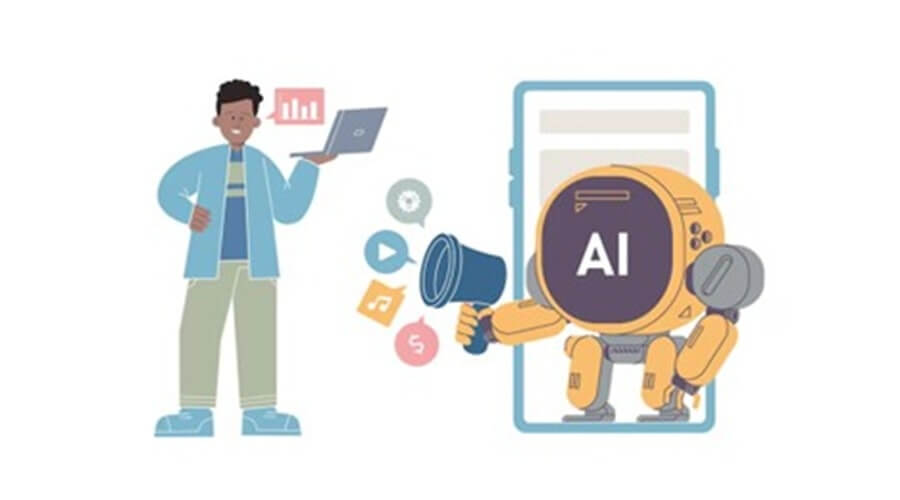
What if the tools that you use on a daily basis became smart enough to direct every move you made in a marketing strategy?
One morning, you log into your dashboard, and prior to considering what your next course of action is, the system is already working on solving the next problem. It identifies the trending issues and analyzes areas of need or potential weakness in the system. It even recommends what, and when, to post, along with the ideal audience segmentation to target. It would certainly seem sentient, and somewhat unnerving!
This is the digital marketing business of the future, or more accurately, the digital marketing business of the current marketing world.
This most appropriate changed from history has not happened in a short time. It has taken a few years. In the last few years, the majority of marketers have adopted AI in their digital marketing strategies, leaving lesser AI savvy marketers scrambling to understand the implications of this new world order. These trends will not only stay, but will blossom into the future.
1. Personalization: The Moment Marketing Became a Mind Reader
It began with simple suggestions.
“People also like…”
“Recommended for you…”
Cute. Helpful. But a bit predictable. Then AI stepped in and flipped the entire script. Now personalization doesn’t feel like a feature. It feels like the system is reading your mind.
A user visits a site. Pauses on a page. Scrolls halfway. Leaves. Comes back. Every tiny movement matters. AI stores it. Learns it. Learns you.
Suddenly brands can talk to people like they actually know them. Real-time recommendations. Dynamic landing pages. Emails that adjust to mood signals. Ads that don’t just appear but appear at the perfect second.
It gets a little spooky. But also brilliant. This shift is rewriting how loyalty works online. People stay with brands that make them feel understood. AI makes that simple. And fast.
2. The Rise of AI Writers: Content, But Faster and Smarter
Once upon a time, content teams burned midnight oil. Endless editing. Brainstorming. Guessing what might work.
Now? AI tools join the room like junior writers. Or sometimes senior. They generate ideas. Outlines. Whole articles. Emails. Social posts. Product descriptions. Sometimes even scripts.
But here’s the twist. They don’t replace creativity. The future? AI will create dynamic content that changes based on who is reading it. One article. Many versions. Each one perfect for its reader.
3. Chatbots: Customer Support’s New Night Shift Heroes
There was a time when late-night questions on websites went unanswered. People waited. Hours. Days. Now chatbots jump in before the customer even decides whether to stay or leave. Fast replies. Friendly tone. Zero sleep.
They guide. Suggest. Solve problems. They don’t get tired. They don’t get moody. And they’re no longer those robotic, awkward responders. Modern AI chatbots understand natural language. They joke sometimes. They talk like humans, or at least close enough.
If the situation gets tricky? They hand it over to a real agent. Smooth handoff. No fuss. Soon, voice-based support will blend with chat. People will speak to brands as if they’re calling a friend. And the brand will reply instantly. Because AI won’t miss a beat.
4. Predictive Analytics: Seeing Tomorrow Before It Arrives
This is where AI becomes a storyteller one who predicts the next chapter. Predictive analytics doesn’t guess. It studies. Observes patterns. Tracks behavior.
Then it predicts what customers will do next.
Will they buy?
Or maybe leave?
Or buy again but soon?
With this power, marketers can act early. Offer reminders. Send helpful nudges. Give the right deal to the right person. Every decision becomes informed. Risk drops. Confidence rises. Brands no longer wait for things to happen. They step ahead. That’s the magic of prediction.
5. Automated Advertising: The Era of Set-It-and-Let-AI-Tune-It
Ad campaigns used to be a juggling act. Manual bidding. Endless testing. Guesswork. More testing. But AI changed the rhythm. It reads user behavior. Tracks engagement. Monitors competition. Adjusts bids every second if it must.
Marketers simply set goals. AI takes the wheel. The system chooses keywords. Finds ideal audiences. Runs A/B tests. And quietly improves every part of the campaign.
The result? Smarter spending. Better returns. Less waste. In a few years, advertising will feel almost fully automated. Marketers will focus on vision, not settings.
6. The Voice Search Wave: Because People Are Talking More Than Typing
People talk differently than they type. Voice searches sound like real questions. More human. More casual.
“What’s the best budget phone right now?”
“Where can I order food quickly?”
AI is the reason voice search works so smoothly. And marketers must adjust. Voice-friendly content. Clear answers. Conversational tone. Brands that adapt will appear more in voice results. Brands that don’t? They might vanish from this rising search method.
The voice era is still growing. Soon voice ads. Voice-based shopping. Voice-driven brand interactions. Everything hands-free. Everything fast.
7. Visual Search: When Images Speak Louder Than Keywords
Someone sees a pair of shoes they like. They take a photo. Upload it. AI finds similar items instantly. That’s visual search. And it’s powerful. It removes friction. It removes the struggle of describing what you want.
AI can identify shapes, colors, patterns, even moods inside photos. It turns images into searchable data. Fashion, decor, beauty, food every industry benefits. People discover things faster. And brands get discovered more often. Images have become a new language. AI is the translator.
8. Hyper-Targeted Email Marketing: Messages That Feel Personal
Email marketing once felt generic. Mass messages. Templates. Predictable lines. AI changed that. Now emails adapt to each person. Subject lines personalized. Send times optimized. Content shaped based on what the user likes or skips. AI studies behavior:
Who opens.
Who clicks.
Who ignores.
Then it adjusts strategy without human effort. Marketers get better results with less work. Automated flows become smarter. Welcome emails. Abandoned cart reminders. Re-engagement campaigns. They learn, adjust, and perform.
9. AI Moderation: Protecting Brands in a Loud, Messy Online World
The internet is crowded. Loud. Sometimes chaotic. And not every piece of user-generated content is safe for brand image. AI content moderation steps in.
It filters harmful posts. Flags negative reviews. Removes offensive comments. Fast. Quietly. Constantly. Brands stay clean. Communities stay safe. It’s not perfect mistakes happen. But the system improves daily. And as online spaces grow, moderation becomes not optional but essential.
10. The AI Touch in E-Commerce: Stores That Feel Smart
Online stores are changing shape. Products move. Recommendations shift. Prices update. All through AI. It watches how people browse. Predicts what they need. Shows the right item at the right moment.
And sometimes it highlights products using tools like WooCommerce product badges, which helps customers notice trendy or discounted items faster.
Cart reminders become sharper. Upsells more relevant. Navigation smoother. In the future, stores will feel like personal shopping assistants.
Every visitor will feel special.
11. AI in SEO: The Silent Partner Behind Rankings
Search engines now use AI to understand intent. Not just keywords. Intent. They know if a user wants an answer fast. Or details. Or visual content.
Marketers must adapt. Websites need to become clearer, faster, and genuinely helpful. No tricks. No stuffing. AI will reward sites that deliver value. Simple.
12. Generative Video & Interactive Visuals: When Content Starts Shaping Itself
Video. It’s everywhere. AI now creates it. Fast. Cheap. Flexible. Product demos. Ads. Tutorials. Even talking avatars. Interactive elements make viewers part of the story. They click. Choose. Respond. And the video adjusts to them.
Imagine a video that changes depending on your mood or interest. That’s where generative video is heading. Brands will be able to produce unlimited variations—each one tailored to different audiences. This will redefine engagement.
13. Ethics & Transparency: The Part of AI That Matters Most
As AI grows, people worry. What data is collected? How is it used? Who sees it? Brands must be transparent. Clear. Honest. Respectful. Ethical AI builds trust. Without it, everything falls apart.
Companies will need stricter guidelines. Better policies. Stronger communication. Users will choose brands that treat data fairly. It’s not just a trend. It’s a responsibility.
Conclusion
AI isn’t coming. It’s here. Present. Active. Transforming everything. Every part of digital marketing is shifting— content creation. Customer support. Advertising. SEO. E-commerce. Engagement. Personalization.
AI makes marketing sharper, lighter, smarter. It removes noise. Highlights clarity. And gives marketers the freedom to focus on ideas instead of tasks.
Brands that embrace this shift will lead. Brands that resist will fall behind. The future of digital marketing is not just automated. It’s intelligent. Adaptive. Almost human.

4 Comments


Please write your questions.

Thank you for your sharing. I am worried that I lack creative ideas. It is your article that makes me full of hope. Thank you. But, I have a question, can you help me?

Your point of view caught my eye and was very interesting. Thanks. I have a question for you.
Reading your article helped me a lot and I agree with you. But I still have some doubts, can you clarify for me? I’ll keep an eye out for your answers.